Minotaur
Mythical CreatureGreek MythologyGreek Mythology · Half-man half-bull · Prisoner of the Labyrinth of Knossos
Monstrous Birth
The Minotaur was born from an act of divine revenge. Poseidon, furious that King Minos of Crete had refused to sacrifice the sacred bull he had sent him, struck Queen Pasiphaë with an irresistible passion for the animal. With the help of the inventor Daedalus, who built a wooden cow carcass, Pasiphaë united with the bull.
From this union was born Asterion — the Minotaur — a being with a human body and the head of a bull, of incomparable strength and ferocity. Minos, overwhelmed by shame, had Daedalus build an underground labyrinth at Knossos — a maze of corridors so complex that no living being could find its way out alone — and imprisoned the monster inside.
The Tribute of Athens
After the death of his son Androgeus in Athens, Minos declared war on the city. Athens, unable to resist militarily, had to accept the Cretan king's terms: each year — or every nine years according to some versions — seven young men and seven young women were sent to Crete to be delivered to the Minotaur in his labyrinth. This bloody tribute lasted until the arrival of the hero Theseus.
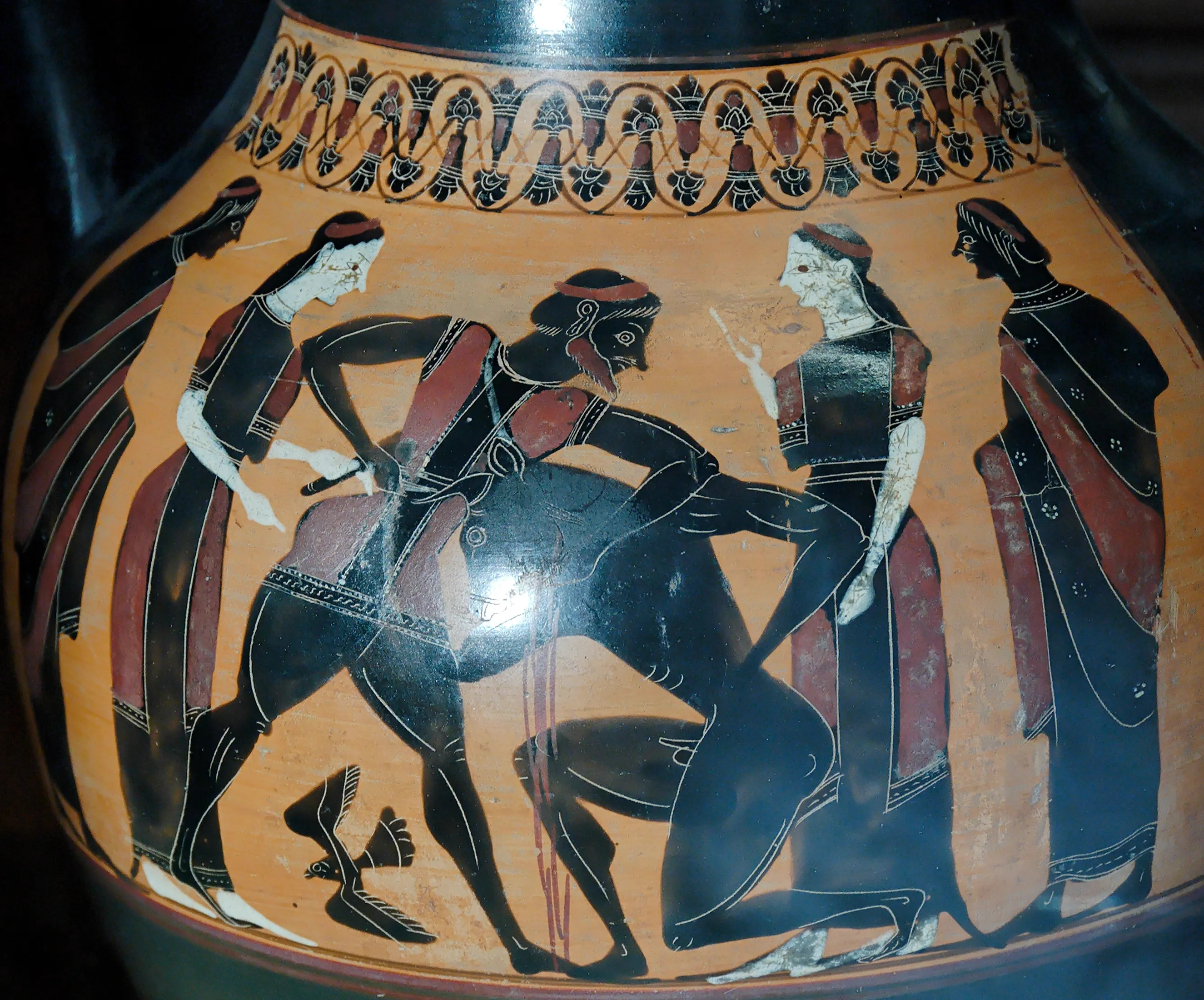
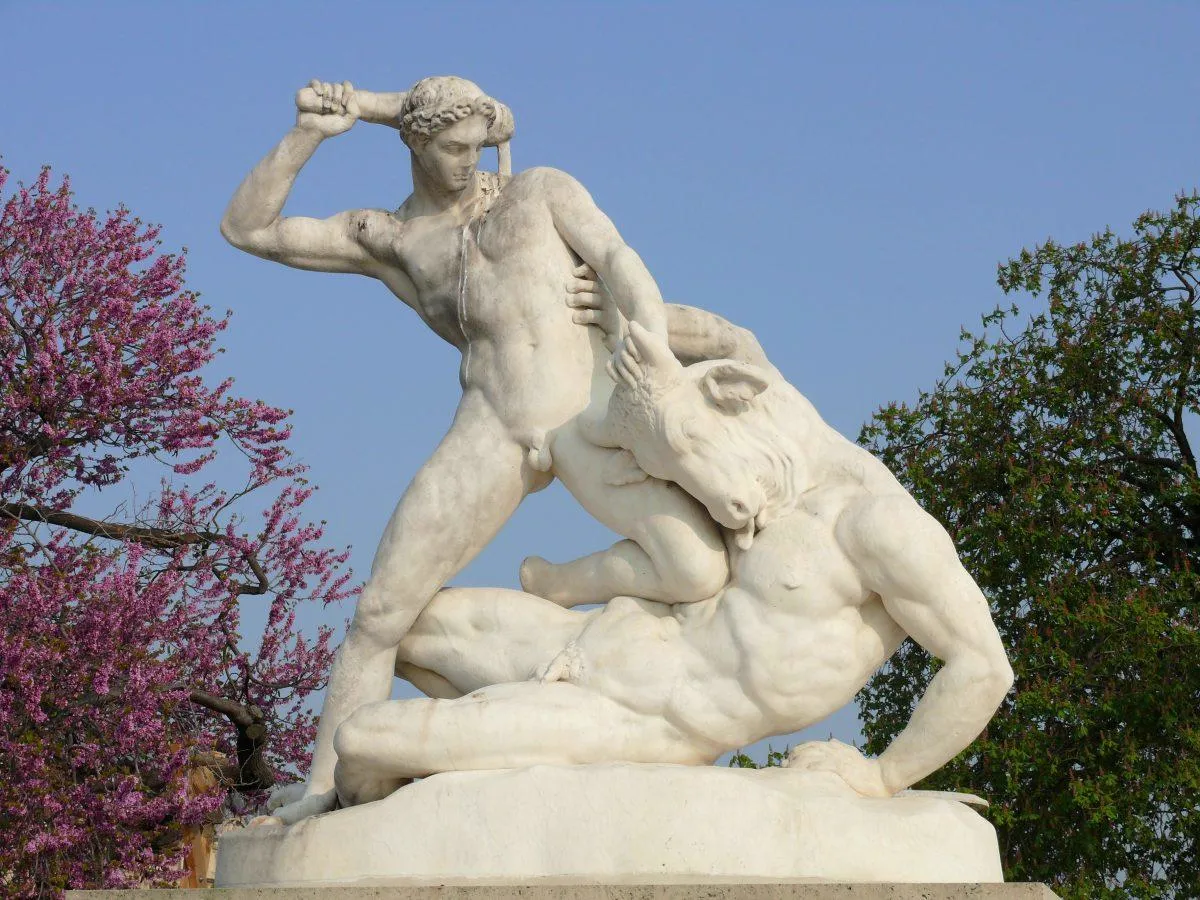
Prince of Athens and son of King Aegeus, Theseus volunteered to be part of the tribute, fully determined to kill the monster. He was secretly aided by Ariadne, Minos' daughter, who fell in love with him and gave him a ball of thread which he fixed at the entrance of the labyrinth. Theseus faced the Minotaur with his bare hands and killed it, then followed the thread to find his way out.
Symbolism & Legacy
The Minotaur is one of the richest figures in Greek mythology. It symbolizes the animal part of humanity, the bestial impulses locked deep within consciousness — the labyrinth as a metaphor for the unconscious. Theseus' victory represents the triumph of reason and courage over primitive instincts.
The legend also has a political dimension: it justified Athenian dominance in the Mediterranean by presenting Athens as freed from a tyrannical yoke by a civilizing hero. The figure of the Minotaur still fascinates today — from Picasso to the modern novel — as an archetype of intimate monstrousness.
In Saint Seiya
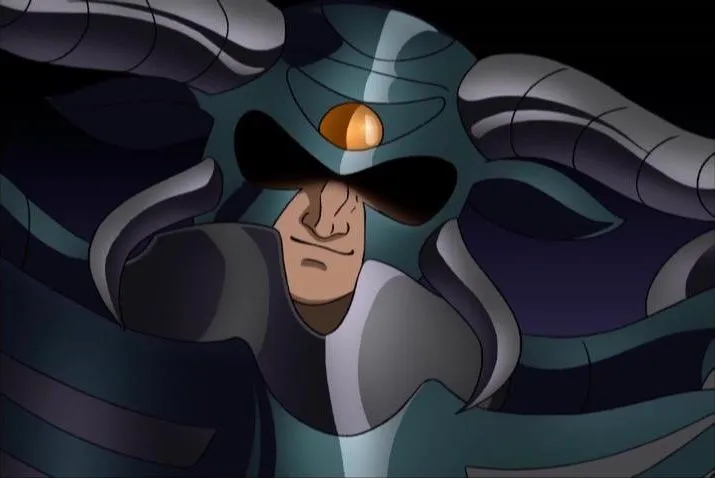
Taurus ConstellationIn Saint Seiya, the Minotaur is represented by the knight Gordon, bearer of the Minotaur Surplice — a Specter serving Hades whose brute power recalls the legendary ferocity of the creature. His battle against the Bronze Saints is one of the standout moments of the Hades Saga.
The Bull is also the constellation of Gold Saint Aldebaran — whose colossal strength and unshakeable solidity recall the sacred animal at the origin of the myth. The Taurus constellation, with star Aldebaran at its head, shines in the sky as a legacy of all these bovine legends — from Poseidon to Zeus-as-bull, from Io to Pasiphaë.
Attributes