The 108 Specters of Hades
The Warriors of the Underworld
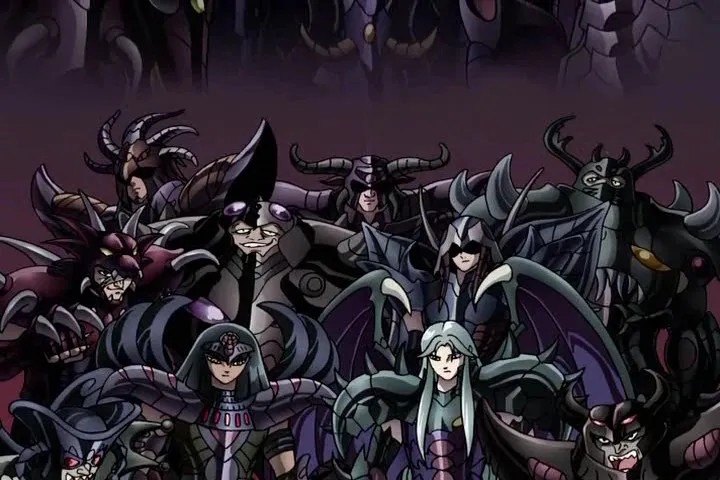
The Specters are the 108 warriors in the service of the god of the Underworld, Hades. Chosen from among the most powerful and most corrupt souls in human history, they are resurrected at each holy war to fight Athena's Saints and conquer the world of the living. Their sole purpose: to prepare a world of silence and death for their god.
Unlike Athena's Saints who burn their Cosmos to protect life, the Specters draw their power from their acceptance of death. They have renounced their existence to stand under Hades' banner — a total abnegation that grants them formidable dark power. Many were once ordinary, even admirable men, corrupted by the promise of resurrection or revenge.
Each Specter wears a Surplice — the infernal equivalent of the Saints' Cloths. These armor of darkness are linked to the 88 constellations and malevolent stars, and can only be worn by those who have embraced death. Their power is comparable to that of the Silver Saints, with the most elite — the Judges of the Underworld — rivaling the Gold Saints.
The number 108 is no coincidence: it lies at the heart of the philosophy underpinning Hades' army, with each Specter representing a specific malevolent star in the cosmology of Saint Seiya. Their hierarchy is strict, dominated by the three Judges of the Underworld — Rhadamanthus, Minos and Aeacus — who embody the implacable justice of the kingdom of the dead.
The Origin of the Number 108
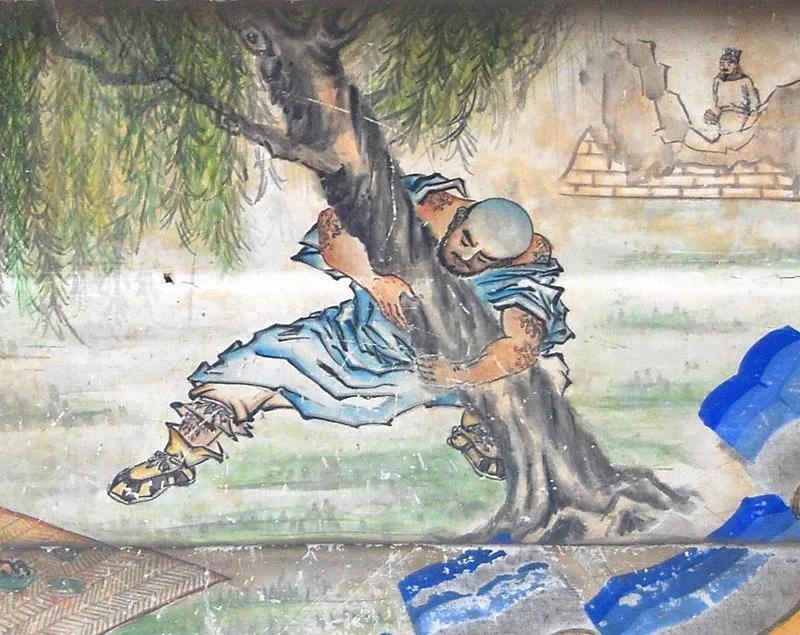
The number 108 is directly inspired by the classic Chinese novel 水滸伝 — Water Margin (Shuǐhǔ Zhuàn), one of the four great classic novels of Chinese literature, written in the 14th century. This masterpiece features 108 heroic outlaws, each embodying a celestial star — 36 heavenly stars and 72 earthly stars — gathered around leader Sòng Jiāng to fight imperial corruption.
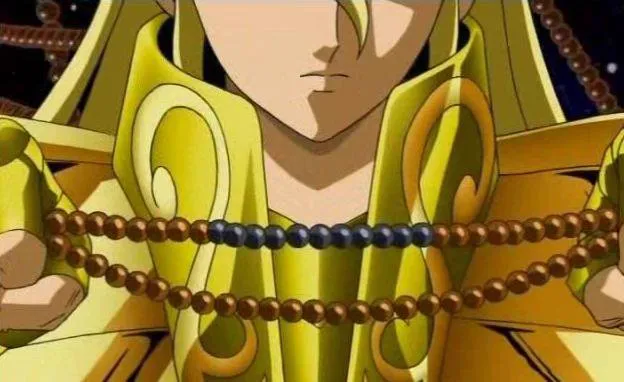
In Buddhist and Hindu tradition, the number 108 carries profound sacred significance. It represents the number of worldly desires (煩悩, bonnō in Japanese) that chain the soul to suffering. Buddhist temples ring their bells 108 times on New Year's Eve to purify these 108 temptations. Kurumada brilliantly inverted this symbolism: in Hades' realm, the 108 serve death rather than liberation.
Masami Kurumada, a great admirer of classical literature and Eastern symbolism, wove this reference into the heart of his universe. The 108 Specters correspond to the 108 malevolent stars (Jashin-sei), a dark mirror of the constellations linked to the Saints' armors. Where Athena represents the light of benevolent stars, Hades rules their shadow.
This duality is visually embodied throughout the work: the image of the three Judges surrounded by their troops directly echoes traditional illustrations from the Chinese novel. The Water Margin image in this section — a depiction of the 108 heroes — testifies to this direct influence that Kurumada openly acknowledged as a major source of inspiration.
The Specters in the Holy Wars
In the original series, the Specters appear in force during the Hades arc. They first invade Athena's Sanctuary by inhabiting the resurrected bodies of deceased Gold Saints — Gemini Saga, Aquarius Camus, Capricorn Shura — turning the gold armors against their own house. This first wave delivers a brutal emotional shock to the protagonists.
The three Judges of the Underworld are the most powerful Specters after Hades himself. Wyvern Rhadamanthus is the most imposing — his Giant Swing can crush the very soul of an opponent. Griffin Minos manipulates souls like puppets. Garuda Aeacus is the swiftest and sharpest. All three sit in Inferno to judge the souls of the dead.
The arc unfolds in three phases: the invasion of the Sanctuary, the Bronze Saints' descent into Inferno, and the final battle in Elysion. At each stage, the Specters present escalating power levels — from ordinary guards to the Inferno's elite, up to Hades' personal attendants in his sacred domain. The Bronze Saints must transcend their limits at every encounter.
A pivotal moment of the arc is the sacrifice of the twelve Gold Saints — returned from the Underworld to shatter the Wall of Lament. Facing the Specter army, the deceased Gold Saints (including Saga, Shura and Camus, formerly used as Specters) choose redemption over servitude, sacrificing their Cosmos to open the way for their Bronze juniors.
In The Lost Canvas, the 18th-century holy war features an equally formidable Specter army. Shiori Teshirogi develops the individual personalities further: Rhadamanthus remains the same implacable judge, but we also meet Specters with more nuanced motivations — such as Isaac, Degel's betrayed disciple, or Hades' personal attendants. The Lost Canvas humanizes the Specters without absolving them.
In Next Dimension, Kurumada himself revisits the 1747 holy war and introduces Specters who cross paths with present-day Bronze Saints — Shun, Hyoga, Shiryu — thrown back into the past. The continuity between the two holy wars reveals that the cycle of the 108 Specters perpetuates itself ceaselessly across the centuries, anchored in the very nature of Hades.
The Surplices — Armors of Darkness
The Surplices are the Specters' armors — the infernal equivalent of the Saints' Cloths. Forged not by Hephaestus but shaped by the very essence of the Underworld, they are linked to the darkest constellations in the sky. Like the Cloths, they initially appear in a compact form before assembling on the warrior — but their aesthetic evokes creatures of the night, decay and the beyond rather than benevolent stars.
The power of a Surplice is generally comparable to that of a Silver Cloth, with the Judges' Surplices reaching Gold Cloth level. A notable characteristic: Surplices can be worn by souls, not just living bodies — which allows Specters to manifest even after death. This unique property makes Specters particularly difficult to defeat permanently within the Underworld.