The Phoenix
Bird of FireLegendGreek & Egyptian mythology · Rebirth · Immortality
The Phoenix in Greek Mythology
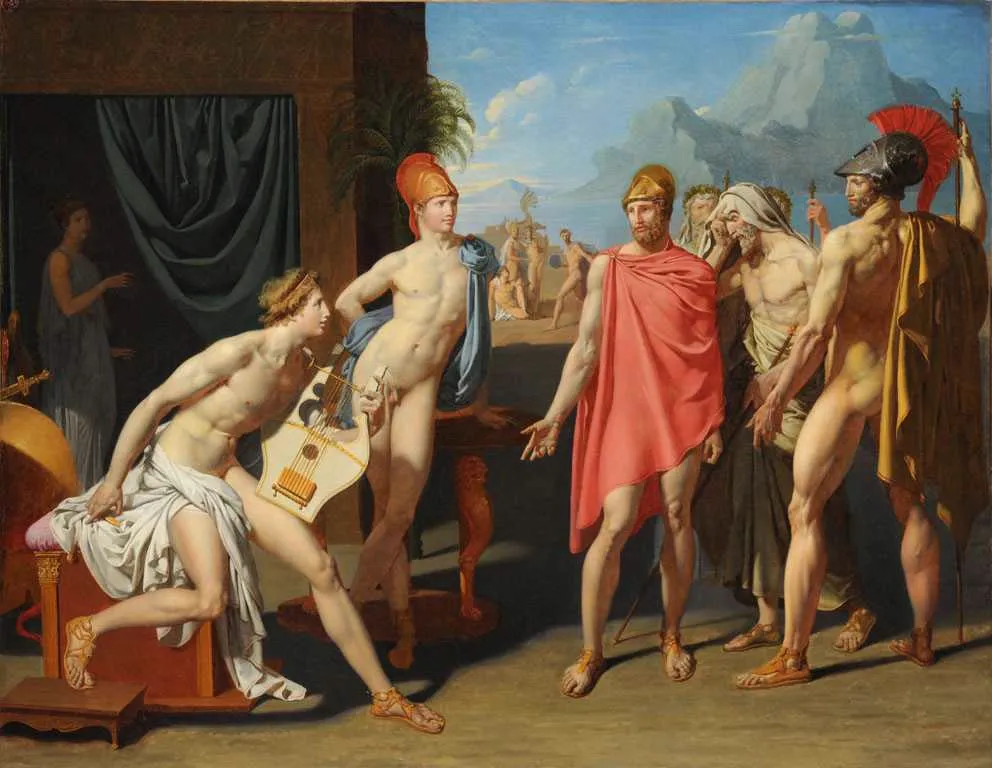
In the Greek tradition, the name Phoenix belongs to a hero — son of King Amyntor of Orminion and Cleobule. His mother convinces him to seduce his father's mistress to draw his father's attention back to her. Amyntor discovers the betrayal and, in his rage, blinds his son and implores the Erinyes to deprive him of all descendants.
Phoenix is condemned to exile, but taken in by King Peleus, Achilles' father, who persuades the centaur Chiron to restore his sight. Phoenix becomes king of the Dolopians and the weapons master of Achilles — he departs with him to the Trojan War and dies on the way back, as if consumed by the flames of a life of battles.
The Egyptian Phoenix — Rising from the Ashes
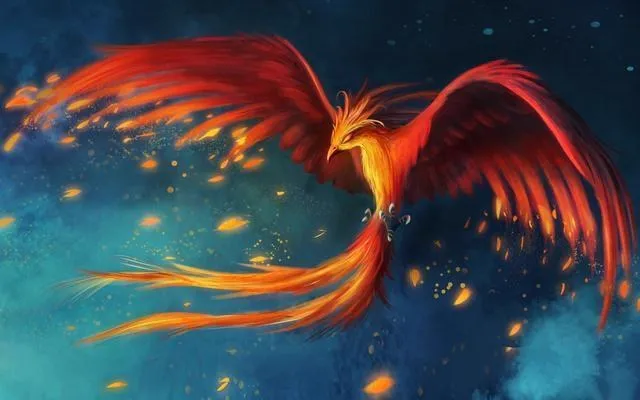
It is the Egyptian tradition that forged the most enduring image: the Phoenix as an immortal bird, capable of rising from its own ashes. The bird — assimilated with the Heliopolitan Bennu — lived five hundred years or more. Sensing its end approaching, it built a nest of aromatic plants — cinnamon, myrrh, spikenard — and consumed itself at sunrise, in a voluntary conflagration.
From its ashes was born a worm which, within a few days, gave birth to a new Phoenix. The newborn collected its father's remains, wrapped them in a myrrh egg and carried them to the temple of the Sun at Heliopolis — the city of light — for a worthy burial. This perpetual cycle of death and rebirth made it the universal symbol of solar immortality.
The Phoenix Constellation
The Phoenix constellation is located in the southern hemisphere, between Eridanus and Grus. It is one of the modern constellations created in the 16th century by astronomers Pieter Dirkszoon Keyser and Frederick de Houtman during their explorations of the southern hemisphere. Its main star, Ankaa, bears an Arabic name evoking the Phoenix — perpetuating the myth in the southern sky.
The austral position of the constellation is symbolically apt: the southern hemisphere, little charted by the ancient Greeks, was a territory of the unknown and mystery — like death, from which the Phoenix returns.
In Saint Seiya
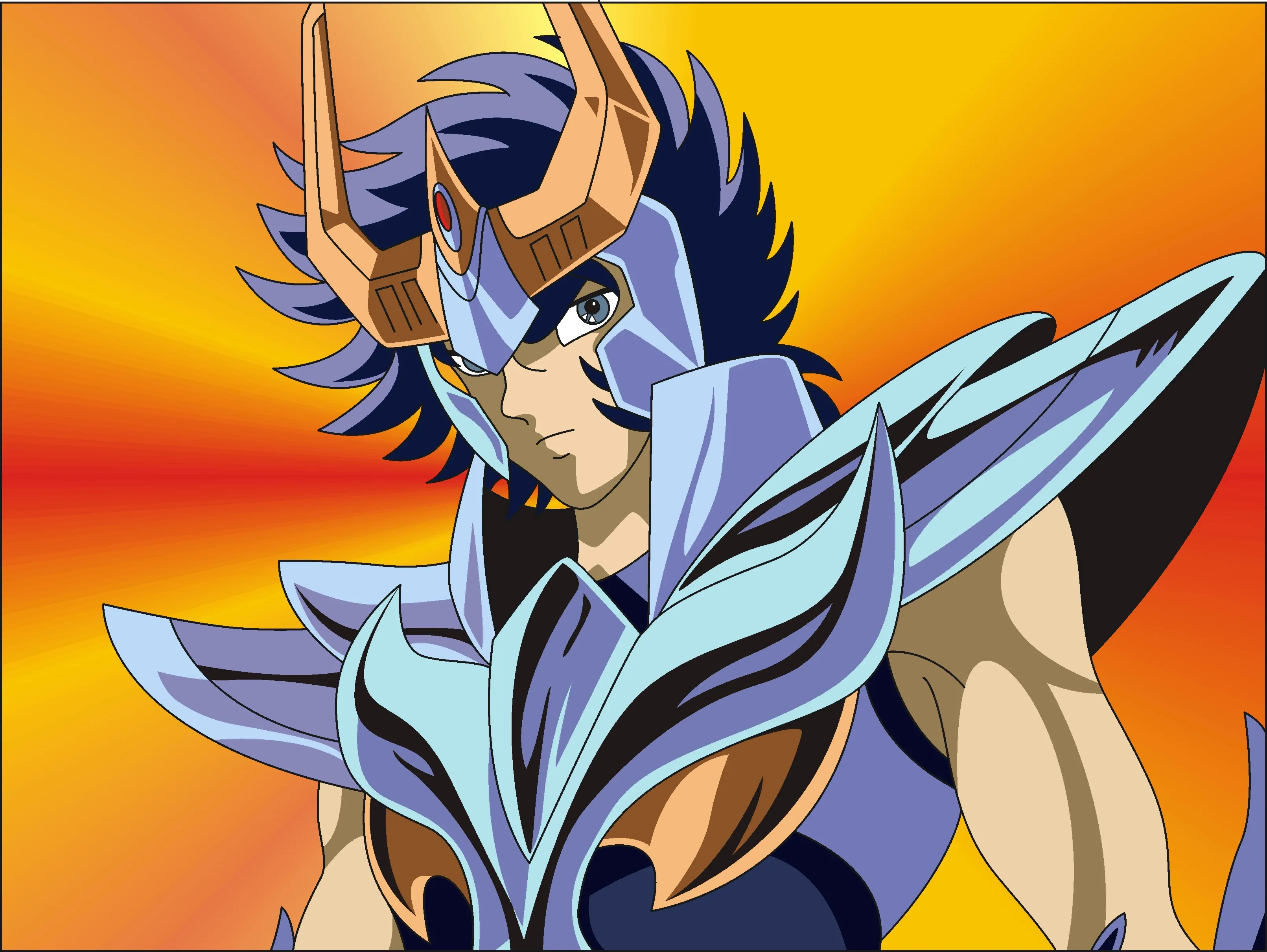
Bronze KnightIkki of the Phoenix is the most literal personification of the myth in the series. His fundamental power is rebirth: every time he is defeated, his cosmos returns stronger, his will more implacable. Like the Egyptian Phoenix that burns and is reborn amplified, Ikki comes back from each defeat transformed, more dangerous than before.
His story illustrates this from his very origins: sent as a child to the Death Island to train under conditions that broke all his predecessors, Ikki returns alone, his master dead, his love sacrificed — and stronger than any knight of his generation. This solitude forged in pain is the Phoenix's pyre.
His attack, Hō Yoku Tensho — the Phoenix's wings of fire — projects a cosmic flame that devours everything in its path, a direct image of the bird setting itself ablaze. And like the Greek Phoenix who protects Achilles, Ikki watches over his brother Shun — brute force in service of a pure soul.
Attributes