Odin
Sovereign of the AesirAsgardNorse Mythology · Allfather · War, Wisdom & Rune Magic
The Allfather — Origins & Reign
Odin is the son of Borr — himself the son of the giant Búri, the first being freed from the primordial ice — and of the giantess Bestla. Together with his brothers Vili and Vé, he slew the primordial giant Ymir, whose body formed the world: his flesh became the earth, his bones the mountains, his blood the seas and lakes, his skull the dome of the sky. Thus Odin became the co-creator of the world before even ruling over the gods.
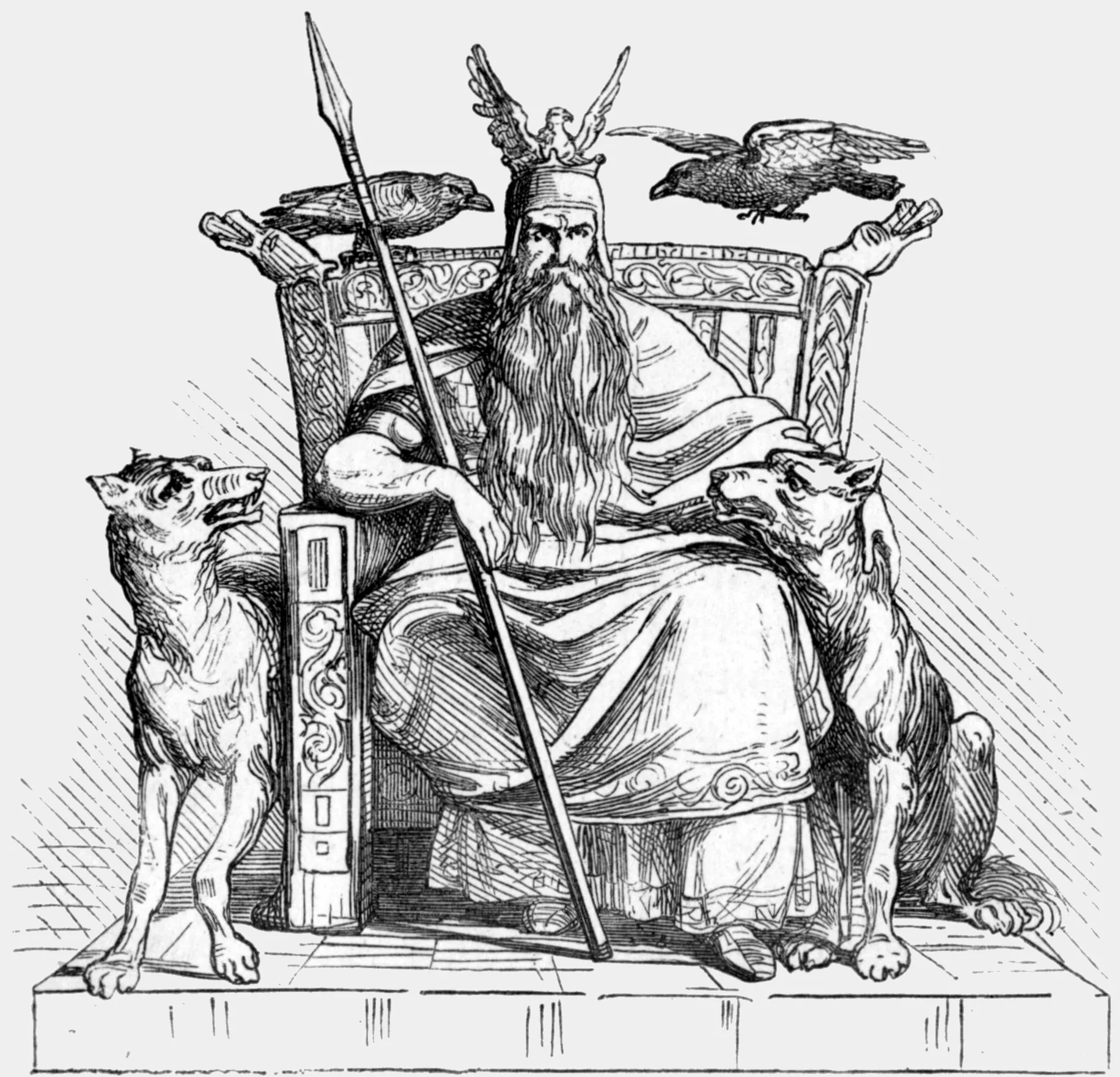
From his throne Hlidskjalf at the top of Asgard, Odin sees everything happening in the Nine Worlds. Two ravens — Hugin (Thought) and Munin (Memory) — traverse the cosmos daily and whisper news into his ears. Two wolves — Geri and Freki — accompany him at feasts. His wisdom is infinite, but dearly earned: Odin is a figure of permanent sacrifice, always giving something of himself to increase his power and knowledge.
The Sacrifice & the Runes
Odin's first great sacrifice was the loss of his eye. To drink from the spring of Mimir — a well of wisdom at the roots of the cosmic tree Yggdrasil — he offered his right eye as payment. Ever since, depicted with an empty socket or an eyepatch, Odin sees less with his eyes than with his mind. His lost eye rests at the bottom of the well, symbol of the price of true knowledge.
The second sacrifice was even more radical. To gain knowledge of the runes — the sacred alphabet carrying magical powers — Odin hanged himself from Yggdrasil for nine days and nine nights, pierced by a spear, without eating or drinking, ignored by the other gods. At the end of this initiatory ordeal, the runes revealed themselves to him from the depths. This extraordinary myth — a god who sacrifices himself to himself, upon the world tree — is one of the most powerful narratives in all of Norse mythology, foreshadowing themes that would traverse centuries of human spirituality.
Valhalla & Ragnarök
Odin welcomes into his palace of Valhalla half of the warriors who die in battle — the other half going to the goddess Freyja in her domain Fólkvangr. The Einherjar — these elite warriors — feast every evening in the great hall with five hundred and forty doors, drink mead flowing from the udders of the goat Heidrun and eat the boar Sæhrímnir who resurrects each night. By day, they train for combat. All of this with a single purpose: to form Odin's army for Ragnarök.
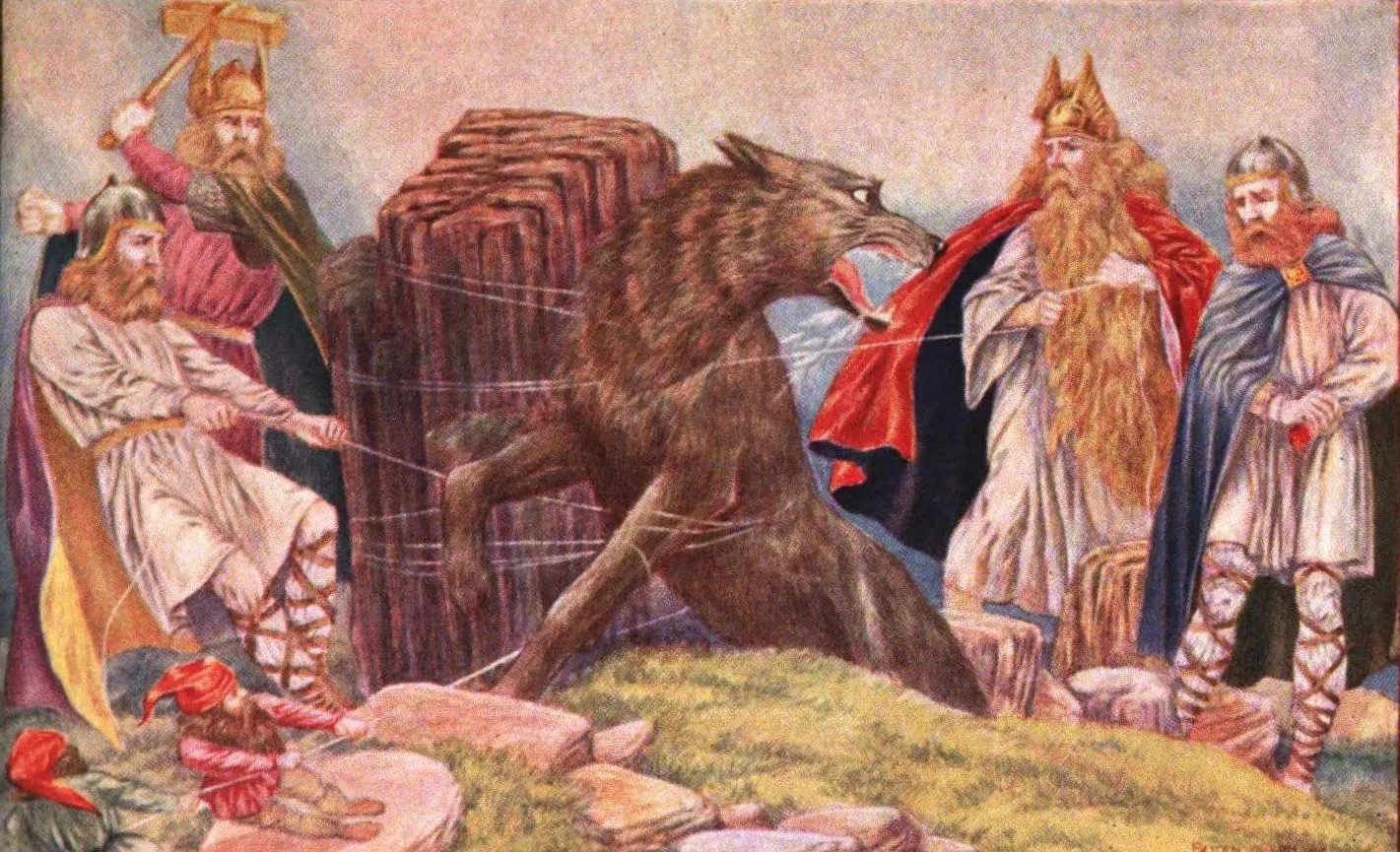
Ragnarök is the end of the world in Norse mythology: a cosmic catastrophe in which the gods will face the forces of chaos, led by Loki freed from his chains. Odin himself will die, devoured by the wolf Fenrir. This vision of a god who knows his own end, who prepares for it nonetheless and sends his finest warriors there, grants Odin a uniquely tragic dimension among the great divine figures: he is the only god who runs inevitably toward his own destruction, eyes wide open.
In Saint Seiya
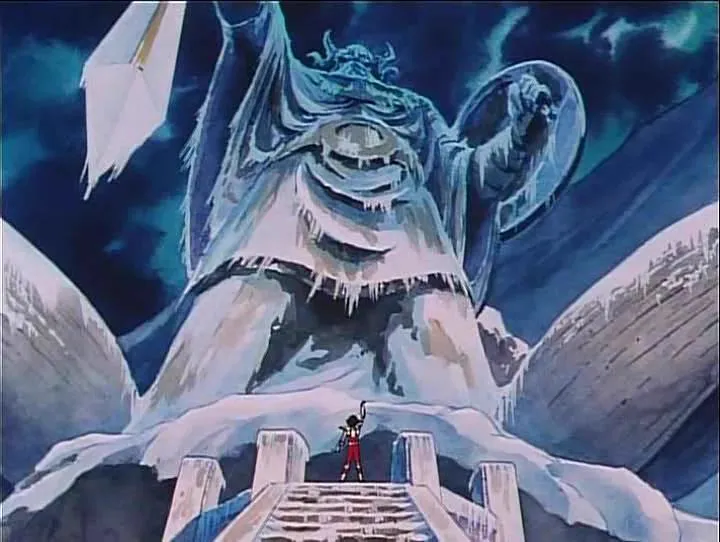
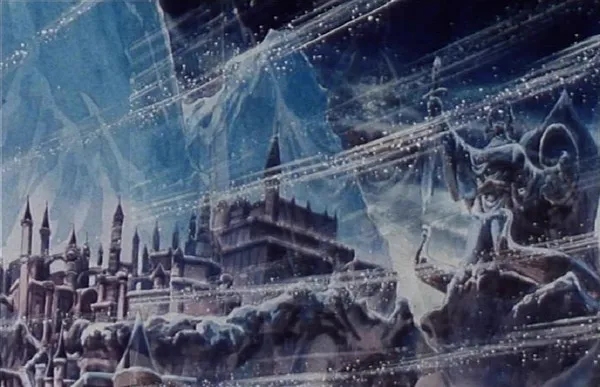
Asgard SagaIn the Asgard Saga of Saint Seiya, Odin is the tutelary god of the Nordic realm, the one from whom the seven God Warriors of Asgard draw their power. His presence is that of a benevolent but distant force, whose authority is usurped by the manipulative Hilda — Odin's high priestess corrupted by dark forces. The saga rests on a fundamental misunderstanding: Athena's Saints and the God Warriors are two forces serving good, pitted against each other through divine manipulation.
This narrative structure draws on Norse mythology where Odin sends his champions to fight — the Valkyries select worthy warriors — without necessarily revealing the full meaning of their mission. The connection between Odin and the Odinrobes — sacred Nordic armors, equivalents of the Zodiac Cloths — echoes the idea of divine equipment forged expressly for elite warriors. Odin in Saint Seiya is less an antagonist than a misunderstood cosmic power, making the Asgard arc one of the most nuanced sagas in the series.
Attributes
Faithful companions