Minos
Judge of the UnderworldGreek MythologyGreek Mythology · King of Crete · Son of Zeus · Lawgiver & Judge of the Dead
Origins & Accession to the Throne
Minos is the son of Zeus and Europa, daughter of the Phoenician king of Tyre. Zeus, in the form of an incomparably beautiful white bull, abducted Europa on the shore and carried her to Crete, where their three sons were born: Minos, Rhadamanthus, and Sarpedon. Minos inherited the throne of Crete and ruled the island with legendary authority.
To establish his divine legitimacy, Minos implored Poseidon to send him a sign: a sacred bull of dazzling whiteness rose from the sea, which Minos was to sacrifice in the god's honor. But dazzled by the animal's beauty, he decided to keep it and sacrificed an ordinary bull instead. This act of disobedience would cost his entire lineage dearly.
The Minotaur & the Labyrinth
As punishment for Minos' sacrilege, Poseidon made the sacred bull mad and caused Queen Pasiphaë to fall in love with the animal. With the help of Daedalus — the genius architect and inventor — Pasiphaë united with the bull. From this monstrous union was born the Minotaur — a being with a human body and the head of a bull. Minos, ashamed, asked Daedalus to build an inextricable labyrinth to imprison the creature.
Each year — or every nine years according to some versions — Minos demanded from Athens, which he had subjugated after the death of his son Androgeus, fourteen young people (seven boys and seven girls) to be fed to the Minotaur. This bloody tribute ended when the hero Theseus, guided by the thread of Ariadne, Minos' daughter, managed to kill the monster.
Supreme Judge of the Underworld
Paradoxically, this tyrannical and vengeful king became after his death the supreme judge of the Underworld. His reputation as a wise and impartial lawgiver — for Minos was also the author of a code of laws celebrated throughout Greece — earned him this posthumous charge. Alongside his brother Rhadamanthus and Aeacus, he presides over the tribunal that determines the fate of every soul of the dead.
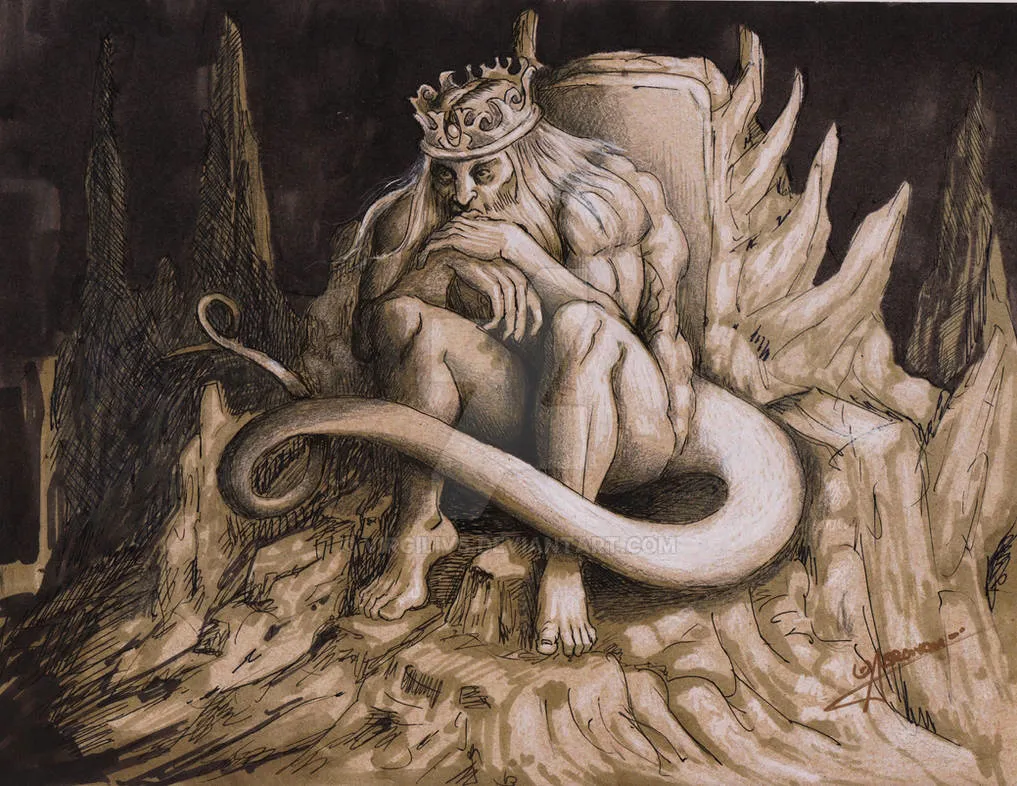
Minos possesses a golden urn from which he draws the verdicts. His word is final and unappealable — even the other judges bow to his decisions in case of disagreement. In Dante's Divine Comedy, he occupies the second circle of Hell, wrapping his tail around the damned to indicate the circle to which they must be sent.
In Saint Seiya
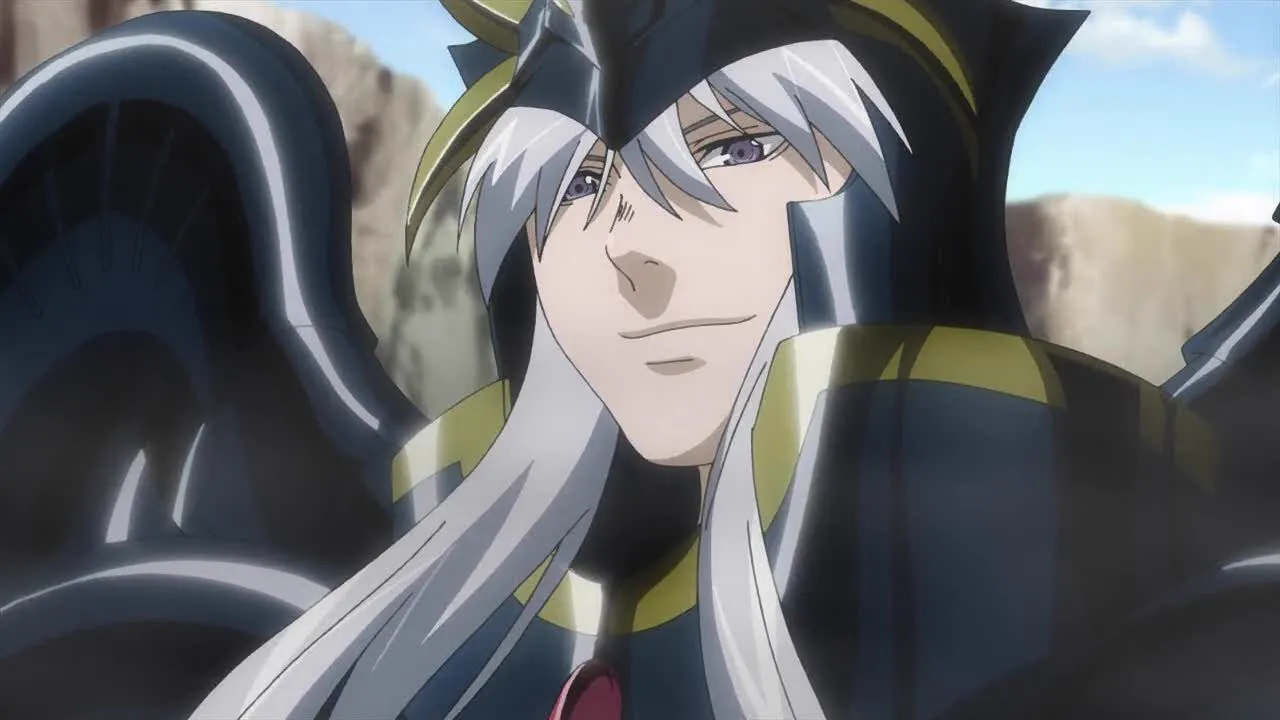
Griffin Specter — Hades SagaIn the Hades Saga, Minos is one of the three great Specters who serve Hades — the same judges as in Greek mythology. He wears the Griffin Surplice, a guardian creature par excellence, reinforcing his role as the implacable arbiter of souls.
Kurumada's fidelity to the myth is remarkable: Minos retains in Saint Seiya his original duality — that of a being both tyrannical and profoundly just, capable of exercising absolute power with a rigor that no corruption can undermine. He represents the stern face of divine justice in the kingdom of the dead.
Attributes
Children of Minos